

Direct liquid cooling system challenges in data centers
Direct liquid cooling (DLC) systems tackle high-power AI and HPC chip densities but pose challenges for data center operators. This paper explores eight key iss...
Key Takeaways for Enterprise Leaders
Actionable strategies verified against enterprise industry benchmarks and real-world rollouts.
Statistical evidence and market data to support executive budgeting and strategic alignment.
Executive Abstract
Peer ReviewedDirect liquid cooling (DLC) systems are now essential for managing extreme chip power densities in AI and high-performance computing. However, data center professionals face challenges in specifying, installing, and operating these systems.
This white paper addresses eight key challenges in deploying DLC, such as material compatibility risks, conflicting cooling requirements, and complex server-cooling infrastructure integration. It offers guidance on:
· Preventing galvanic corrosion and contamination
· Balancing energy efficiency with costs
· Managing warranties and GPU power transients
Read the full white paper for practical insights on successful DLC deployments.
Unlock Report Access
Provide your corporate details for instant PDF access.
Related Executive Research
 Asset
Asset
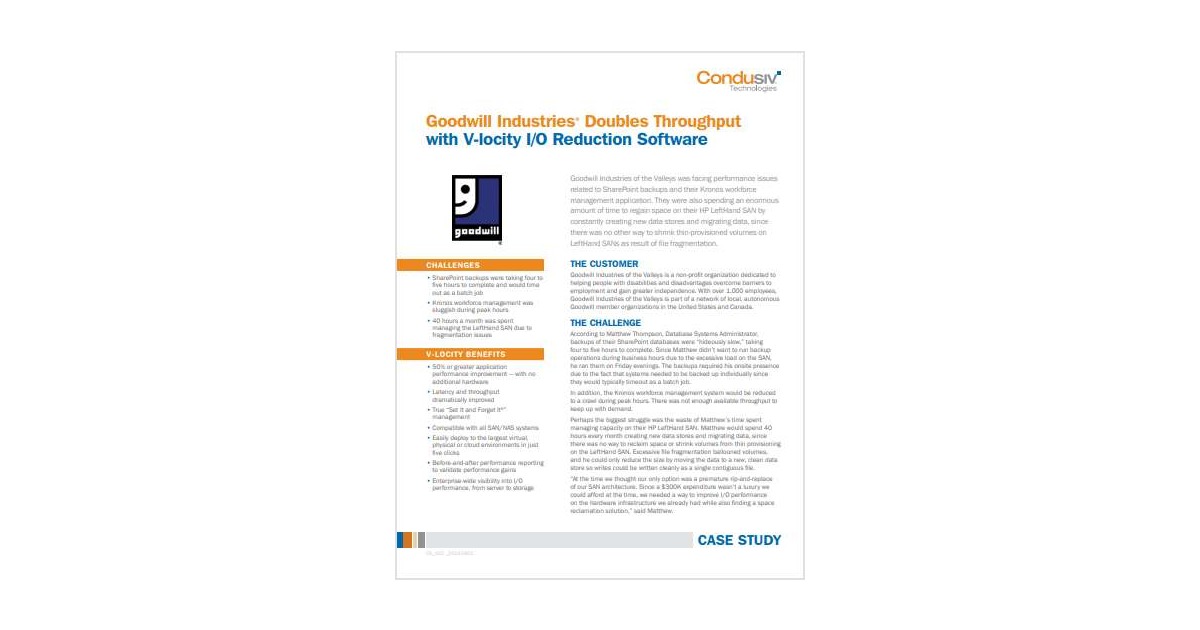
Goodwill Industries® Doubles Throughput with V-locity I/O Reduction Software
Goodwill Industries of the Valleys was facing performance issues related to SharePoint backups and their Kronos workforce management application. Goodwill Indu...
 Asset
Asset
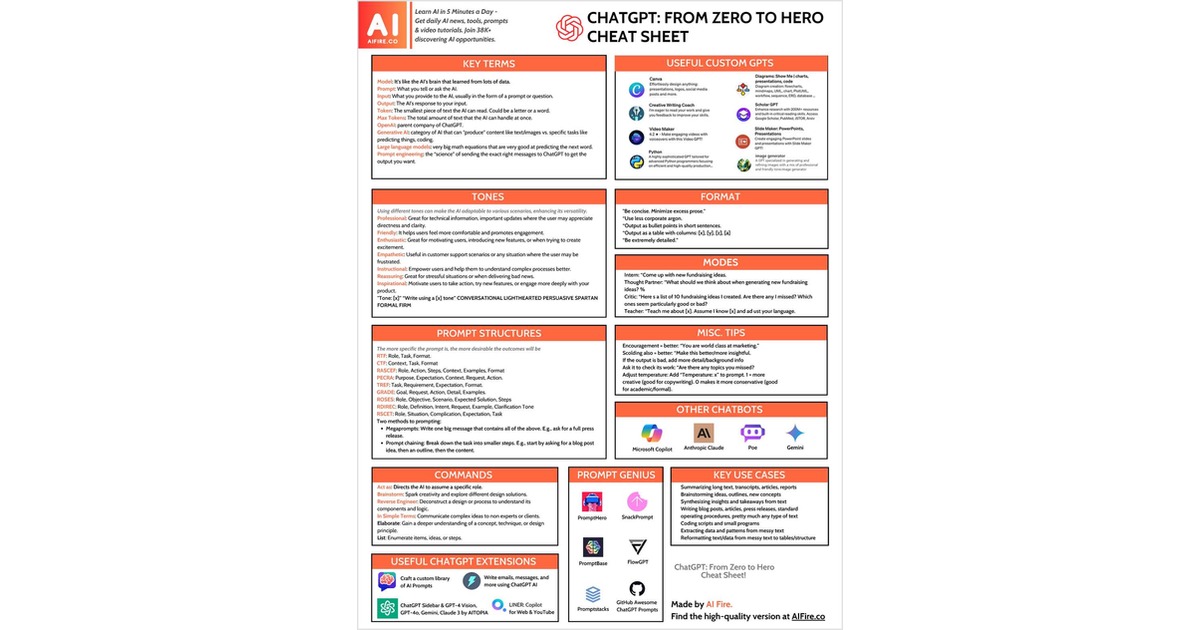
ChatGPT: From Zero to Hero Cheat Sheet
AI Fire's cheat sheet explores effective use of ChatGPT across various professional scenarios. AI Fire's cheat sheet - ChatGPT: From Zero to Hero, provides ess...
 Guide
Guide
(Re)defining Your Cloud Strategy: Options for VMware Migration and Beyond for Financial Services
Download Thrive and HPE’s Guide to Cloud Strategy to help you navigate what’s next. Whether you plan to stay on VMware, shift to a hybrid model, or explore...